
What is the best way to store appliances in the kitchen? The best way to store appliances in the kitchen is to choose a system that fits your space, how often you use them, and your budget, prioritizing accessibility and safety. Can I store appliances in a pantry? Yes, you can store appliances in a pantry, especially smaller ones, provided there is adequate ventilation and they are not placed near heat sources. Who is the best person to ask about kitchen appliance storage? A professional organizer or a kitchen designer can offer expert advice on kitchen appliance storage.
A cluttered kitchen can feel chaotic and make cooking a chore. When your countertops are overflowing with blenders, toasters, and stand mixers, it’s hard to find the space to prepare a simple meal. Thankfully, with smart appliance storage solutions, you can transform your kitchen into an organized and functional haven. This guide will delve into effective strategies for kitchen organization tips that will help you manage your appliances, from the everyday essentials to the less frequently used gadgets.
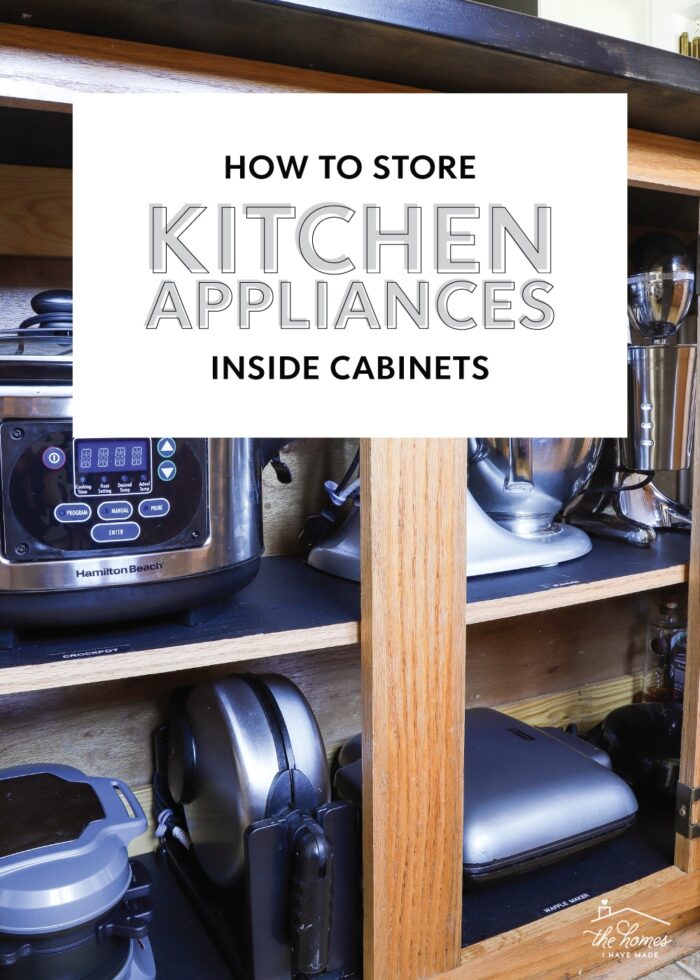
Image Source: thehomesihavemade.com
Maximizing Your Kitchen Space
Every kitchen, no matter the size, has potential for better organization. The key is to think vertically, utilize hidden spaces, and be strategic about where you place your appliances. Let’s explore various methods for small appliance storage that can make a big difference.
Smart Countertop Appliance Placement
Countertops are prime real estate. While some appliances are used daily, others can be tucked away.
Dedicated Appliance Zones
Designate specific areas for your most-used appliances. This keeps them accessible but also contained.
- Toasters and Coffee Makers: These often live on the counter. Consider placing them near an outlet and away from direct sunlight to prevent discoloration.
- Microwaves: If you have a dedicated microwave shelf or a built-in option, use it. Otherwise, a sturdy, heat-resistant cart or a designated spot on a lower cabinet can work.
Utilizing Corner Spaces
Corners are often underutilized. A corner appliance garage or a rotating shelf can make a corner cabinet much more practical.
Efficient Pantry Appliance Storage
Your pantry isn’t just for food; it can be a fantastic storage hub for appliances.
Vertical Shelving and Risers
- Stacking: Use sturdy shelves or risers to stack appliances vertically. For example, place a small mixer on a lower shelf and a food processor on a higher one.
- Deep Shelves: If you have deep pantry shelves, consider using pull-out bins or trays to easily access appliances stored at the back.
Storing Less-Used Appliances
- Seasonal Items: Appliances used only during specific seasons (e.g., ice cream maker, waffle iron) can be stored on higher or lower pantry shelves.
- Bulky Items: Larger appliances like stand mixers or bread makers can often fit on pantry shelves if the shelving is strong enough. Ensure they are not crammed in, which can damage them.
Mastering Cabinet Appliance Organization
Cabinets offer concealed storage, keeping your kitchen looking neat and tidy.
Pull-Out Shelves and Drawers
- Accessibility: Install pull-out shelves in lower cabinets. This allows you to slide out a heavy appliance like a stand mixer without straining.
- Deep Drawers: Deep, wide drawers are perfect for storing items like food processors, blenders, or even multiple smaller appliances like hand mixers and their attachments.
Lazy Susans and Turntables
- Rotating Access: Place Lazy Susans inside cabinets, especially corner cabinets, to easily rotate and access appliances. This is ideal for items like juicers or smaller mixers.
- Grouping: Use turntables to group smaller appliances together, making it easy to pull out the entire unit.
Refrigerator Appliance Storage (and Management)
While the refrigerator is primarily for food, some small kitchen appliances might find a temporary home here, or their components might.
Storing Attachments and Accessories
- Sealed Containers: Some blender or food processor attachments can be stored in sealed containers in the refrigerator if they require refrigeration after use (e.g., certain parts of a juicer).
- Cooling: Very rarely, some small appliances that require cooling for specific functions might have components stored in the fridge, but this is an exception rather than a rule.
Seasonal Item Considerations
- Not Recommended: Generally, it’s not advisable to store most kitchen appliances in the refrigerator due to temperature and humidity fluctuations, which can damage electronics and cause rust.
Freezer Appliance Management
The freezer is typically not a storage location for operational kitchen appliances. However, certain food-related appliance accessories might be stored.
Storing Ingredients
- Pre-portioned items: If you use a food processor to create pre-portioned smoothie packs or prep vegetables, these might be stored in the freezer.
- No Appliances: It’s important to reiterate that actual appliances, whether powered or manual, should not be stored in a freezer.
Drawer Appliance Organization
Drawers can be surprisingly effective for storing smaller appliances.
Drawer Dividers and Inserts
- Categorization: Use drawer dividers to separate different types of appliances or their accessories. A drawer for hand mixers, whisks, and other small electrics can be very efficient.
- Customization: Adjustable drawer dividers allow you to customize the space for the specific items you need to store.
Utilizing Deep Drawers
- Vertical Storage: For deeper drawers, consider standing smaller appliances like a hand mixer upright, or lay them down if they fit better.
- Cord Management: Ensure cords are neatly tucked away or use cord organizers to prevent tangles.
Built-in Appliance Storage
For a seamless and integrated look, built-in solutions are excellent.
Appliance Garages
- Concealed Storage: Appliance garages are cabinets with doors that completely hide countertop appliances. They often have outlets inside, so you can use the appliance without pulling it out.
- Customization: These can be built into existing cabinets or as standalone units.
Integrated Cabinetry
- Pull-out Shelves: Many modern kitchens feature pull-out shelves integrated into standard cabinetry, designed to hold the weight of heavier appliances.
- Roll-Out Trays: Similar to pull-out shelves, roll-out trays offer easy access and are excellent for appliances that don’t need to sit on the countertop.
Creative Space-Saving Ideas
Beyond the standard cabinet and pantry solutions, let’s explore some more creative approaches.
Wall-Mounted Solutions
- Pegboards: For smaller gadgets and accessories, pegboards can be a lifesaver. Hang whisks, measuring cups, and even smaller appliances like immersion blenders.
- Floating Shelves: Install floating shelves above your workspace to store frequently used items like your coffee maker or a stand mixer. Ensure they are securely mounted.
Appliance Carts and Trolleys
- Mobility: A kitchen cart with shelves and drawers can house multiple appliances. It can be moved around the kitchen as needed, making it a versatile option.
- Extra Counter Space: Many carts also offer additional countertop space, which is invaluable in a small kitchen.
Under-Cabinet Storage
- Slim Appliances: Some slimmer appliances, like toaster ovens or blenders, can be stored on specially designed under-cabinet mounts if they are lightweight and don’t generate excessive heat. Always check the appliance’s manual.
Repurposing Existing Spaces
- Wardrobe Conversions: If you have a small unused closet or wardrobe adjacent to your kitchen, it can be converted into a pull-out pantry or appliance station.
- Above the Refrigerator: While not ideal for frequently used items due to reachability, the space above the refrigerator can store infrequently used appliances in bins.
Organizing Specific Appliance Types
Let’s break down some common kitchen appliances and how best to store them.
Stand Mixers
- Countertop: If used frequently, a dedicated spot on the counter is best.
- Cabinet: A lower cabinet with a pull-out shelf is ideal for heavier mixers.
- Cart: A sturdy kitchen cart can also house a stand mixer.
Food Processors
- Drawers: Deep drawers are excellent for food processors, as they can often be stored vertically.
- Cabinets: If stored in cabinets, ensure all attachments are kept together in a dedicated container or bag.
- Pantry: Pantry shelves work well if the processor isn’t too tall.
Blenders
- Countertop: For daily use, the counter is convenient.
- Cabinets: Consider storing the pitcher and base separately if space is tight.
- Drawers: Some smaller blenders can fit in wide drawers.
Toasters and Toaster Ovens
- Countertop: These are usually best kept on the counter for easy access.
- Appliance Garages: Hiding them in an appliance garage maintains a clean look.
- Cabinets: If stored in a cabinet, ensure there is adequate ventilation, especially for toaster ovens that generate heat.
Coffee Makers and Espresso Machines
- Countertop: The most common and practical placement.
- Shelving: A dedicated shelf or hutch space works well.
- Appliance Garages: Can be stored here if the machine is not too tall.
Slow Cookers and Multi-Cookers
- Pantry: Excellent candidates for pantry storage, especially the larger models.
- Cabinets: Lower cabinets with pull-out shelves are good options.
- Closets: If you have a linen closet or utility closet near the kitchen, these can be stored there if used infrequently.
Maintaining Your Organized Kitchen
Organization is an ongoing process. Here are some tips to keep your appliance storage in check.
Declutter Regularly
- Audit: Periodically go through your appliances. Are there any you haven’t used in a year or more? Consider donating them.
- Attachments: Ensure all attachments for each appliance are accounted for and stored with their main unit.
Cord Management
- Velcro Straps: Use Velcro straps or cord ties to keep appliance cords neatly bundled. This prevents tangles and makes storage much neater.
- Built-in Cord Storage: Some appliances have built-in cord wraps. Use them!
Safety First
- Ventilation: Ensure appliances that generate heat have adequate ventilation. Do not store them in tightly enclosed spaces without airflow.
- Weight Limits: Be mindful of the weight limits of shelves and drawers. Heavy appliances should be placed on sturdy, reinforced surfaces.
- Proximity to Heat: Keep appliances away from direct heat sources like ovens or hot pipes.
Tables for Quick Reference
Here’s a quick look at some popular appliance storage solutions:
| Appliance Type | Best Storage Location(s) | Key Considerations |
|---|---|---|
| Stand Mixer | Lower cabinet with pull-out shelf, sturdy cart | Weight, frequency of use |
| Food Processor | Deep drawer, pantry shelf | Storing attachments together |
| Blender | Countertop, cabinet, wide drawer | Separating pitcher and base if needed |
| Toaster | Countertop, appliance garage | Easy access, ventilation if in a garage |
| Toaster Oven | Countertop, appliance garage, well-ventilated cabinet | Heat generation, ventilation |
| Coffee Maker | Countertop, dedicated shelf | Proximity to outlet |
| Slow Cooker/Multi-Cooker | Pantry, lower cabinet | Size, frequency of use |
| Hand Mixer | Drawer, cabinet | Storing attachments, cord organization |
| Immersion Blender | Drawer, pegboard | Storing attachments, cord organization |
Frequently Asked Questions (FAQ)
Q1: How do I store appliances that I don’t use often?
A1: For infrequently used appliances, the best storage is in less accessible areas such as upper pantry shelves, lower cabinets, or even a dedicated storage closet. Ensure they are clean and dry before storing. Using bins or containers can protect them from dust.
Q2: Can I store my microwave in a cabinet?
A2: Yes, you can store a microwave in a cabinet if the cabinet is specifically designed for it, or if it’s a microwave cabinet with adequate ventilation. If it’s a standard cabinet, ensure there is good airflow around the appliance to prevent overheating.
Q3: What are some tips for storing appliance cords?
A3: Appliance cords can be a major source of clutter. Use Velcro straps, cord ties, or even rubber bands to keep them neatly bundled. Many appliances have built-in cord storage or wraps.
Q4: Is it safe to store appliances in an appliance garage?
A4: Yes, appliance garages are designed for safe storage. They usually have ventilation and electrical outlets inside, allowing you to use the appliance without removing it. Ensure the garage is adequately ventilated if the appliance generates heat.
Q5: How do I organize the attachments for my food processor or blender?
A5: It’s best to store all attachments with their main appliance. Use small bins, bags, or dedicated drawer inserts to keep them together. Some food processor bowls have compartments for their blades and discs.
By implementing these kitchen organization tips and appliance storage solutions, you can reclaim your countertops, create a more functional kitchen, and enjoy a more peaceful cooking experience. Remember to assess your own kitchen, your appliance collection, and your habits to find the perfect system for you.