
Thinking about replacing your old kitchen faucet with a new Kohler? You’re in the right place! Installing a Kohler kitchen faucet is a manageable DIY project for most homeowners. This guide will walk you through each step, making the Kohler faucet installation process clear and straightforward. We’ll cover everything from gathering your tools to connecting the water supply and final checks.
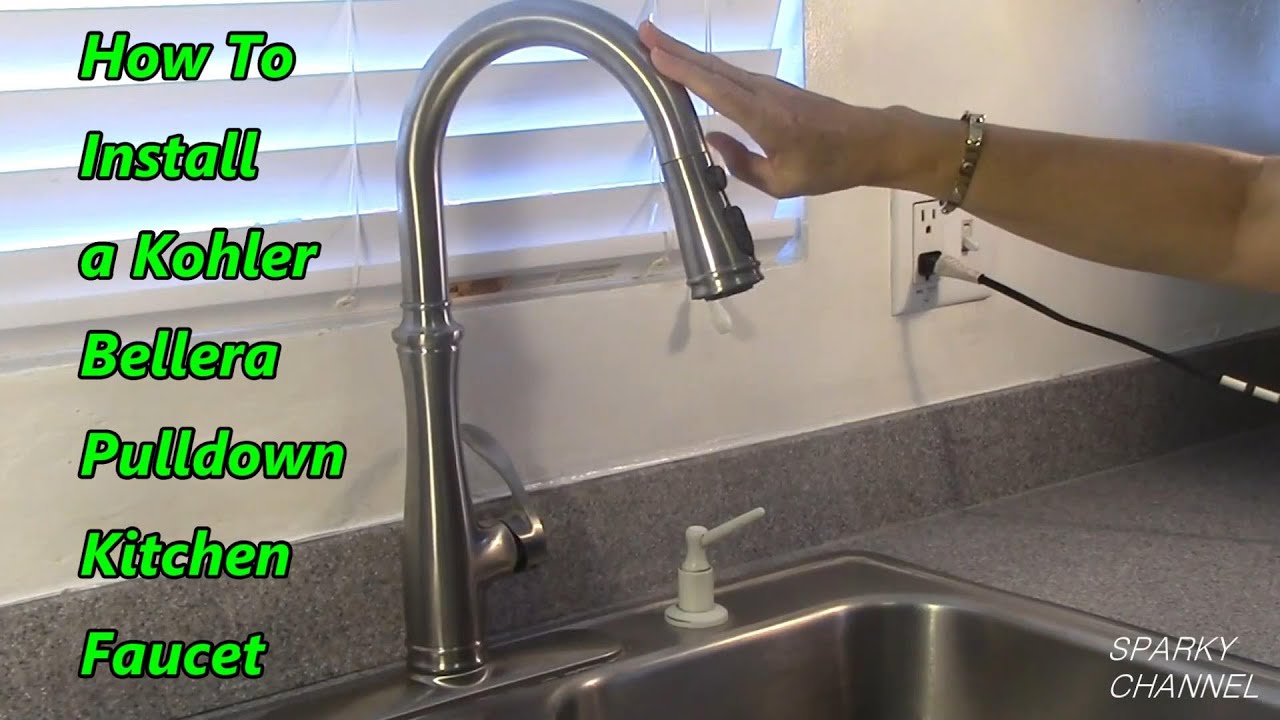
Image Source: i.ytimg.com
Essential Tools and Materials for Kohler Faucet Installation
Before you start, gather all the necessary tools and materials. Having everything on hand will make the DIY Kohler faucet installation much smoother.
- New Kohler Faucet: Make sure you have the correct model and all the Kohler faucet parts diagram indicates are included.
- Adjustable Wrenches (2): One for holding and one for turning.
- Basin Wrench: This specialized tool is crucial for reaching nuts in tight spaces under the sink.
- Plumber’s Putty or Silicone Sealant: For creating a watertight seal around the faucet base.
- Bucket: To catch any residual water in the pipes.
- Old Towels or Rags: For cleaning up spills and drying.
- Safety Glasses: To protect your eyes from debris or water.
- Penetrating Oil (Optional): For loosening stubborn old nuts and bolts.
- Utility Knife or Putty Knife: For removing old putty or sealant.
- Thread Seal Tape (PTFE Tape): For ensuring watertight connections on threaded pipes.
- Flashlight or Headlamp: For better visibility under the sink.
- Pliers: Useful for gripping and turning various parts.
- Safety Gloves (Optional): For protecting your hands.
Step-by-Step Kohler Faucet Installation Guide
This comprehensive Kohler faucet installation guide is designed to help you successfully install your new faucet.
Step 1: Prepare the Work Area and Shut Off Water
Safety first! Before you begin any plumbing work, it’s essential to turn off the water supply.
- Locate Shut-Off Valves: Under your kitchen sink, you’ll find two shut-off valves – one for hot water and one for cold water. They are usually connected to the pipes coming from the wall.
- Turn Off Valves: Turn both valves clockwise until they are completely shut. If you don’t have shut-off valves under your sink, you’ll need to turn off the main water supply to your house.
- Test Water Flow: Turn on your old faucet to release any remaining pressure and drain the pipes. Let the water run until it stops. This confirms the water is off.
- Clear Under the Sink: Remove everything from under the sink to give yourself plenty of room to work. Place towels or rags on the bottom of the cabinet to absorb any drips.
- Place Bucket: Position a bucket under the water supply lines to catch any water that might still be in the pipes.
Step 2: Remove the Old Faucet (Replacing a Kohler Kitchen Faucet)
If you are replacing a Kohler kitchen faucet, this step is crucial. Even if you’re installing a different brand, the removal process is similar.
- Disconnect Water Lines: Use an adjustable wrench to loosen the nuts connecting the hot and cold water supply lines to the old faucet. Be prepared for a small amount of water to drain into the bucket.
- Loosen Mounting Nuts: Look for the nuts or clips that secure the old faucet to the sink or countertop from underneath. This is where your basin wrench will be invaluable. It’s designed to reach these difficult-to-access fasteners.
- Remove Faucet Assembly: Once all connections and mounting hardware are removed, carefully lift the old faucet assembly out from the top of the sink.
- Clean the Surface: Use a putty knife or utility knife to gently scrape away any old plumber’s putty, sealant, or mineral deposits from the sink surface where the old faucet was mounted. Clean the area thoroughly with a damp cloth.
Step 3: Prepare the New Kohler Faucet
Now, let’s get your new Kohler faucet ready for installation. Refer to your specific Kohler faucet parts diagram for precise assembly instructions.
- Assemble Faucet Components: Many Kohler faucets come partially assembled. However, you might need to attach handles, the spout, or decorative escutcheons. Follow the manufacturer’s instructions and use the provided hardware.
- Apply Plumber’s Putty or Sealant: For the base of the faucet, you’ll often need to apply a bead of plumber’s putty or silicone sealant. This creates a watertight seal between the faucet base and the sink surface.
- Plumber’s Putty: Roll a rope of putty about ¼ inch thick and place it around the underside of the faucet base or escutcheon.
- Silicone Sealant: Apply a continuous bead around the underside of the faucet base.
- Note: Some faucets come with a rubber gasket that serves as the seal, eliminating the need for putty or sealant. Check your faucet’s manual.
Step 4: Install the New Kohler Faucet (Kohler Sink Faucet Setup)
This is the core of the Kohler sink faucet setup. Take your time and ensure everything is aligned correctly.
- Position the Faucet: Carefully insert the new Kohler faucet assembly through the mounting holes in your sink or countertop from the top. Ensure it is positioned correctly, facing forward.
- Secure from Below: Go back under the sink. Slide any included washers or mounting brackets onto the faucet shanks. Then, thread the mounting nuts or clips onto the faucet shanks.
- Tighten Mounting Nuts: Hand-tighten the nuts first. Once the faucet is properly aligned, use your basin wrench and an adjustable wrench to snug them up.
- Important: Don’t overtighten, as this can damage the sink or countertop. The goal is to make the faucet stable and prevent movement. Ensure the faucet is straight and centered before fully tightening.
Step 5: Connect the Water Supply Lines
This is where you’ll be connecting Kohler faucet water supply. Precision is key here.
- Attach Supply Lines to Faucet: Most new Kohler faucets will come with integrated supply lines or require you to attach new ones. If separate lines are needed, screw them onto the hot and cold water inlets on the faucet shanks. Hand-tighten them, then use an adjustable wrench to give them a quarter-turn more.
- Connect to Shut-Off Valves: Wrap thread seal tape (PTFE tape) clockwise around the threaded ends of the shut-off valves.
- Connect Lines to Valves: Connect the hot water supply line (usually the left one) to the hot water shut-off valve and the cold water supply line (usually the right one) to the cold water shut-off valve.
- Tighten Connections: Use an adjustable wrench to tighten the supply line nuts onto the shut-off valves. Again, hand-tighten first, then snug them up with the wrench. Avoid overtightening.
- Kohler Faucet Plumbing Tip: Ensure you are using the correct supply lines for your plumbing configuration. Braided stainless steel lines are generally recommended for their durability.
Step 6: Test for Leaks and Final Checks
This is the moment of truth to ensure your Kohler faucet plumbing is leak-free.
- Turn Water Back On: Slowly turn the hot and cold water shut-off valves counter-clockwise to restore the water supply.
- Check for Leaks: Carefully inspect all connections under the sink – where the supply lines connect to the faucet and where they connect to the shut-off valves. Look and feel for any drips or moisture.
- Operate the Faucet: Turn on the new Kohler faucet, both hot and cold, and let the water run for a minute or two. Check the flow and temperature.
- Inspect Again: While the water is running, re-check all connections for leaks.
- Tighten if Necessary: If you find a small drip, try tightening the fitting slightly (about an eighth of a turn). If a leak persists, you may need to disconnect, reapply thread seal tape, and reconnect.
- Clean Up: Wipe away any excess plumber’s putty or sealant that might have squeezed out around the faucet base. Clean up any water spills.
- Reinstall Items: Once you’re confident there are no leaks, you can put your under-sink items back.
Step 7: Final Kohler Faucet Mounting and Adjustments
With the water connected and leak-free, a final check on the Kohler faucet mounting is good practice.
- Faucet Stability: Gently try to wiggle the faucet from the top. It should feel solid and not move. If it does, you may need to tighten the mounting nuts again.
- Handle Operation: Ensure the handles operate smoothly and turn off completely.
- Aerator Check: If your faucet has a removable aerator, check that it’s clean and not clogged with debris from the installation process.
Troubleshooting Common Kohler Faucet Installation Issues
Even with the best guides, sometimes issues arise. Here are some common problems and solutions for Kohler faucet troubleshooting:
| Issue | Possible Cause | Solution |
|---|---|---|
| Leaking at supply line | Loose connection; damaged O-ring/washer; no thread tape | Tighten the connection; replace the washer/O-ring; reapply thread seal tape and reconnect. |
| Leaking from faucet base | Improperly applied plumber’s putty/sealant; loose mounting nuts | Remove faucet, reapply putty/sealant evenly, and tighten mounting nuts securely. Ensure gasket (if present) is seated correctly. |
| Low water pressure | Aerator clogged; partially closed shut-off valve; kinked supply line | Clean the aerator; ensure shut-off valves are fully open; check supply lines for kinks and straighten them. |
| Faucet wobbles | Loose mounting nuts/clips | Tighten the mounting nuts/clips underneath the sink using a basin wrench. |
| No hot or cold water | Incorrect supply line connection; valve not fully open | Ensure hot line is on hot valve, cold line on cold valve; double-check shut-off valves are fully open. |
| Difficulty reaching nuts | Standard wrenches are too bulky | Use a basin wrench; it’s specifically designed for this purpose. |
| Stripped threads | Overtightening; cross-threading | If on a supply line or valve, replace the component. If on the faucet shank, you may need to replace the faucet. |
Frequently Asked Questions (FAQ)
Here are some common questions people have about installing a new Kohler faucet.
Q1: Do I need plumber’s putty or silicone for my Kohler faucet?
A1: Most Kohler faucets come with a rubber gasket or are designed to be sealed with silicone sealant. Always check your specific Kohler faucet parts diagram and instruction manual. If it doesn’t specify, plumber’s putty is a good general-purpose sealant, but silicone can offer a more durable and flexible seal, especially in areas prone to moisture.
Q2: What is a basin wrench and why is it so important?
A2: A basin wrench is a specialized plumbing tool with a long, pivoting jaw. It’s essential for reaching and tightening or loosening the nuts that hold a faucet in place from underneath the sink, where space is very limited.
Q3: Can I install a Kohler faucet myself, or should I hire a plumber?
A3: For most homeowners, a DIY Kohler faucet installation is achievable with patience and the right tools. If you’re uncomfortable with basic plumbing tasks or if your existing plumbing is old or complex, hiring a professional plumber is a good idea to ensure the job is done correctly and to avoid potential leaks or damage.
Q4: How tight should I make the connections when connecting Kohler faucet water supply?
A4: Hand-tighten all connections first. Then, use a wrench to snug them up about a quarter to a half turn. Overtightening can strip threads or crack plastic components, leading to leaks. The goal is a snug, leak-free seal.
Q5: What if my new Kohler faucet doesn’t fit the existing holes in my sink?
A5: Most Kohler kitchen faucets are designed to fit standard sink hole configurations (usually one, two, three, or four holes). If yours doesn’t fit, you might need to purchase an escutcheon plate (often included with the faucet or sold separately) to cover extra holes, or you may need to drill new holes in your countertop or sink (a task best left to professionals if you’re not experienced).
Q6: How do I troubleshoot a dripping Kohler faucet after installation?
A6: A common cause of dripping is a faulty cartridge or valve seat inside the faucet. If you’ve confirmed the water supply is fully turned off and the connections are tight, the issue might be with an internal component. Refer to your Kohler faucet troubleshooting section in the manual, which often details how to replace the cartridge.
By following this detailed Kohler faucet installation guide, you can confidently tackle the project and enjoy your new, stylish Kohler kitchen faucet. Remember to work methodically, double-check your work, and always prioritize safety.