
Can you fix a kitchen faucet handle yourself? Yes, you absolutely can! Most common kitchen faucet handle issues, like a leaky faucet handle, a loose faucet handle, or a dripping faucet repair, can be tackled with basic tools and a bit of patience. This guide will walk you through the simple DIY steps to get your faucet working perfectly again, whether you have a single handle faucet repair or a double handle faucet fix. We’ll cover everything from identifying the problem to replacing parts like a faucet handle cartridge.
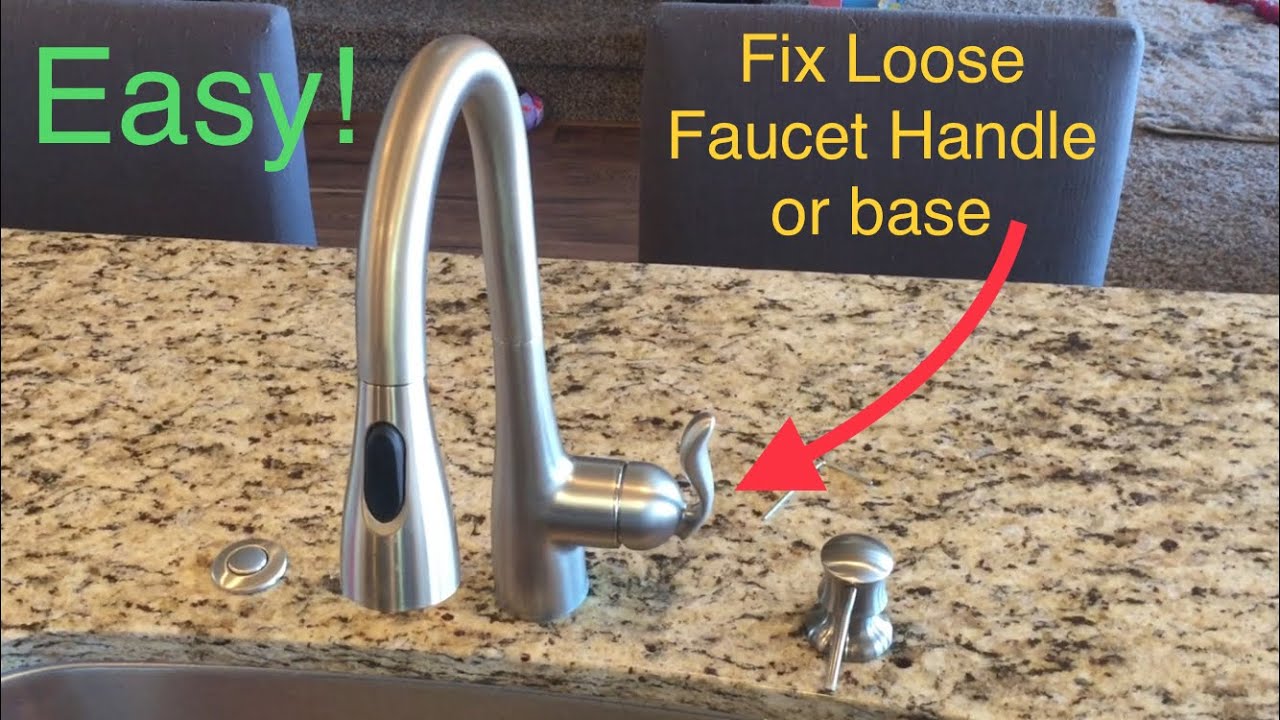
Image Source: i.ytimg.com
Why Your Faucet Handle Needs Attention
A well-functioning kitchen faucet is essential for daily tasks. When your faucet handle acts up, it can be more than just annoying; it can waste water and money. A leaky faucet handle might seem minor, but over time, that constant drip can add up to significant water loss. A loose faucet handle can be a sign of wear and tear on internal components. Addressing these issues promptly is key for efficient kitchen faucet maintenance.
Common Faucet Handle Problems
Several issues can cause your kitchen faucet handle to malfunction. Recognizing these signs is the first step to a successful DIY fix.
- Leaky Faucet Handle: Water seeping from around the base of the handle, especially when the faucet is turned off. This often points to a worn-out O-ring or a problem with the cartridge.
- Loose Faucet Handle: The handle feels wobbly or doesn’t tighten properly. This can be due to a loose set screw or a stripped handle post.
- Dripping Faucet: Water continues to drip from the spout even when the handle is in the off position. This is usually a sign that the internal valve or cartridge needs replacement.
- Stiff or Stuck Handle: The handle is difficult to move or won’t budge. This might indicate mineral buildup or a worn-out cartridge. For example, you might find your hot water handle loose or your cold water handle stuck.
- Leaking from Spout Base: Water leaks from where the spout meets the faucet body. This often involves O-rings in the spout assembly.
Tools You’ll Need for the Job
Before you start, gather the necessary tools. Having everything on hand will make the process smoother and prevent frustration.
- Adjustable Wrench: For loosening and tightening nuts.
- Screwdriver Set: Both Phillips head and flathead screwdrivers are usually needed.
- Allen Wrench Set (Hex Keys): Many faucet handles are secured with small set screws that require an Allen wrench.
- Pliers: For gripping and pulling small parts. Needle-nose pliers can be particularly helpful.
- Plumber’s Tape (Teflon Tape): For sealing threaded connections.
- Utility Knife or Putty Knife: To gently pry off decorative caps.
- Clean Rags or Towels: To protect surfaces and clean up water.
- Bucket: To catch any residual water.
- Penetrating Oil (Optional): For loosening stubborn or corroded parts.
- Replacement Parts: O-rings, washers, or a new faucet handle cartridge. It’s best to have these ready, especially if you know what type of faucet you have.
Safety First: Turning Off the Water
Before any work begins, it’s crucial to shut off the water supply to your kitchen faucet. This prevents unexpected floods and makes the repair process safe.
Locating the Shut-Off Valves
- Look for two small valves located underneath the sink, typically on the pipes leading up to the faucet.
- One valve is for hot water, and the other is for cold water.
- Turn the handles of both valves clockwise until they are tightly closed.
Testing the Water Shut-Off
- Turn on the faucet handle(s) to drain any remaining water in the pipes.
- Ensure no more water flows from the spout. If it does, the shut-off valves might not be fully closed, or you may need to locate the main water shut-off valve for your house.
Step-by-Step Guide to Fixing Your Faucet Handle
Now that the water is off and you have your tools ready, let’s get to fixing that faucet handle. The exact steps can vary slightly depending on the type of faucet you have (single handle or double handle), but the general principles are the same.
H3: Dealing with a Single Handle Faucet
Single handle faucets are common and generally straightforward to repair. They often use a cartridge system to control water flow and temperature.
H4: Identifying the Problem Source
For a single handle faucet repair, the most common culprits for a leaky faucet handle or a dripping faucet repair are a worn-out O-ring or a faulty cartridge. A loose faucet handle might just need its set screw tightened.
H4: Removing the Faucet Handle
- Locate the Decorative Cap: Most single-handle faucets have a small decorative cap on the front or side of the handle. This cap often hides a set screw.
- Pry Off the Cap: Gently use a utility knife or a thin flathead screwdriver to carefully pry off the decorative cap. Be gentle to avoid scratching the finish.
- Loosen the Set Screw: Once the cap is off, you’ll see a small set screw. Use the appropriate Allen wrench or screwdriver to loosen this screw. You usually don’t need to remove it completely, just loosen it enough to free the handle.
- Lift Off the Handle: With the set screw loosened, the handle should now lift straight up and off the faucet stem. If it’s stuck, try wiggling it gently. A rubber mallet can sometimes help if it’s very stubborn, but use it with extreme care.
H4: Accessing the Cartridge or Valve Stem
Once the handle is off, you’ll see the internal workings.
- For Cartridge Faucets: You’ll typically see a metal or plastic retaining nut or clip holding the cartridge in place.
- For Compression or Ball Faucets: You might see a packing nut and a valve stem assembly.
H4: Replacing a Faucet Handle Cartridge
The faucet handle cartridge is a common failure point. If your faucet drips or has a leaky faucet handle, this is often the part that needs replacing.
- Remove the Retaining Nut/Clip:
- Retaining Nut: Use your adjustable wrench to unscrew the retaining nut (usually a large, round nut). Turn it counter-clockwise.
- Retaining Clip: Some cartridges are held in place by a small metal clip. Use needle-nose pliers to carefully pull this clip straight out.
- Remove the Old Cartridge: With the retaining nut or clip removed, you should be able to pull the old cartridge straight up and out. It might require some wiggling or the use of pliers to grip and pull it out. Some cartridges have a stem that needs to be rotated slightly to release.
- Install the New Cartridge:
- Match the Cartridge: It’s crucial to get an exact replacement cartridge. Take the old one to a hardware store or look up your faucet’s brand and model online to find the correct part.
- Orient Correctly: Ensure the new cartridge is oriented the same way as the old one. There are usually notches or alignment pins that must line up with the faucet body.
- Insert the New Cartridge: Gently push the new cartridge into place.
- Secure the New Cartridge:
- Replace the retaining clip if your faucet uses one.
- Screw the retaining nut back on by hand, then tighten it gently with the wrench. Do not overtighten, as this can damage the new cartridge or faucet body.
H4: Replacing Worn-Out O-Rings and Washers
If the problem is a leaky faucet handle that seeps water from the base, the issue might be a worn O-ring or washer within the handle assembly or around the valve stem.
- Locate the O-rings/Washers: After removing the handle, look for rubber O-rings or plastic/rubber washers around the valve stem or on the faucet body where the handle attaches.
- Remove Old O-rings/Washers: Carefully use a small screwdriver or utility knife to pry them off.
- Install New O-rings/Washers: Lubricate the new O-rings with a bit of plumber’s grease (silicone-based) before installing them. This helps them seat properly and prevents them from tearing. Ensure they fit snugly into their grooves.
H4: Reassembling the Single Handle Faucet
- Place the Handle Back: Slide the faucet handle back onto the stem, aligning it correctly.
- Tighten the Set Screw: Insert and tighten the set screw using the appropriate Allen wrench or screwdriver. Don’t overtighten.
- Replace the Decorative Cap: Snap the decorative cap back into place.
H3: Tackling a Double Handle Faucet Fix
Double handle faucets have separate handles for hot and cold water. Repairing these often involves dealing with valve seats, O-rings, and washers.
H4: Pinpointing the Faulty Handle
You’ll need to determine if the problem is with the hot water handle, the cold water handle, or both. For instance, you might have a hot water handle loose or a cold water handle stuck.
H4: Removing the Faucet Handles
- Look for Decorative Caps: Similar to single-handle faucets, double handles usually have a decorative cap (often marked H or C for hot and cold).
- Pry Off the Caps: Use a utility knife or small flathead screwdriver to carefully remove these caps.
- Unscrew the Handle Screw: Beneath the cap, you’ll find a screw. Use the correct screwdriver to remove it.
- Lift Off the Handle: The handle should now lift off the valve stem. If it’s stuck, try wiggling it gently. You might need to use a bit of penetrating oil if corrosion is an issue.
H4: Accessing the Valve Stem and Seat
With the handle removed, you’ll see the valve stem.
- Remove the Packing Nut: Use an adjustable wrench to unscrew the packing nut (a hexagonal nut directly below where the handle was). Turn it counter-clockwise.
- Remove the Valve Stem: Once the packing nut is off, you can usually unscrew the entire valve stem assembly by turning it counter-clockwise with the wrench or by hand.
H4: Replacing Washers and O-rings
The most common cause of a dripping faucet repair in a double handle faucet is a worn-out washer at the bottom of the valve stem or deteriorated O-rings on the stem itself.
- Examine the Valve Stem: At the bottom of the valve stem, you’ll find a rubber washer held in place by a screw. There will also be O-rings around the stem.
- Replace the Washer:
- Use a screwdriver to remove the screw holding the washer.
- Remove the old washer.
- Place a new, identical washer onto the stem.
- Re-insert and tighten the screw.
- Replace O-rings: Carefully remove any old O-rings from the valve stem with a small screwdriver or utility knife. Lubricate the new O-rings with plumber’s grease and slide them into place. Ensure they sit correctly in their grooves.
- Check the Valve Seat: Inside the faucet body where the valve stem sits, there’s a “valve seat.” This is a small brass component that the washer presses against to stop water flow. If the washer looks fine but the faucet still drips, the valve seat might be damaged or corroded. You can often remove and replace valve seats with a special seat wrench.
H4: Reassembling the Double Handle Faucet
- Insert the Valve Stem: Screw the valve stem assembly back into the faucet body by hand, then tighten it with the adjustable wrench. Be careful not to overtighten.
- Tighten the Packing Nut: Screw the packing nut back on and tighten it gently with the wrench. This nut compresses packing material around the stem to prevent leaks.
- Place the Handle: Slide the handle back onto the valve stem, aligning it properly.
- Insert and Tighten the Handle Screw: Replace the screw that holds the handle in place.
- Replace the Decorative Cap: Snap the decorative cap back on.
Troubleshooting Common Issues
Sometimes, even with the right steps, you might encounter a snag. Here’s how to handle some common problems.
H4: The Handle is Still Loose After Tightening
- Check the Set Screw: Ensure the set screw is fully tightened. Sometimes, the threads can strip, requiring a new handle or stem.
- Handle Splines: The connection between the handle and the faucet stem (often splined) can wear down. If the splines are damaged, the handle won’t grip securely, and you may need a faucet handle replacement.
H4: The Faucet Still Drips After Replacing the Cartridge/Washer
- Incorrect Cartridge: Double-check that you used the correct replacement faucet handle cartridge or washer. Even slight differences can cause leaks.
- Damaged Faucet Body: In rare cases, the faucet body itself might be cracked or damaged, preventing a proper seal.
- Valve Seat Issue: For double-handle faucets, re-examine the valve seat. If it’s pitted or worn, it needs to be replaced.
H4: The Cold Water Handle is Stuck
- Mineral Buildup: Hard water can cause mineral deposits to build up around the valve stem, making it difficult to move. Try applying penetrating oil around the stem and letting it sit for a while before attempting to turn it again.
- Worn Cartridge/Stem: The internal components might be seized. You may need to replace the entire valve stem assembly or cartridge.
H4: The Hot Water Handle is Loose
- Loose Set Screw: This is the most common reason for a loose handle. Ensure the set screw is tightened firmly.
- Worn Handle: The internal bore of the handle where it fits onto the stem can wear out, making it loose even with a tight set screw. This requires a faucet handle replacement.
Faucet Maintenance Tips for Longevity
Regular kitchen faucet maintenance can prevent many of these problems from occurring in the first place.
- Clean Regularly: Wipe down your faucet with a soft, damp cloth after each use. This prevents water spots and mineral buildup.
- Address Leaks Promptly: Don’t ignore a leaky faucet handle or a dripping faucet repair. Small issues can lead to bigger problems and wasted water.
- Know Your Faucet Type: Identify your faucet’s brand and model. This information is invaluable for finding the correct replacement parts, like a specific faucet handle cartridge.
- Use Caution with Cleaning Products: Avoid abrasive cleaners or harsh chemicals, which can damage the faucet’s finish and internal components.
Table: Common Faucet Handle Issues and Solutions
| Issue | Possible Cause | DIY Solution |
|---|---|---|
| Leaky faucet handle | Worn O-ring, faulty cartridge, loose packing nut | Replace O-rings, replace cartridge, tighten packing nut. |
| Dripping faucet repair | Worn washer, damaged valve seat, faulty cartridge | Replace washer/seat, replace cartridge. |
| Loose faucet handle | Loose set screw, worn handle splines | Tighten set screw, replace handle if splines are stripped. |
| Cold water handle stuck | Mineral buildup, seized cartridge | Apply penetrating oil, replace cartridge/stem. |
| Hot water handle loose | Loose set screw, worn handle | Tighten set screw, replace handle. |
| Leaking from spout base | Worn O-rings at spout base | Remove spout, replace O-rings. |
Frequently Asked Questions (FAQ)
Q1: How often should I replace my faucet cartridge?
There’s no set schedule for replacing a faucet cartridge. They are designed to last for many years. You should replace it when you notice symptoms like leaking, dripping, or difficulty operating the handle, indicating it’s no longer sealing properly.
Q2: Can I use any plumber’s grease?
It’s best to use a silicone-based plumber’s grease specifically designed for faucets. This type of grease is safe for rubber and plastic components and provides good lubrication without degrading the parts. Avoid petroleum-based lubricants, as they can damage O-rings.
Q3: What if my faucet brand isn’t common?
If you have an older or less common faucet brand, finding replacement parts can be trickier. Try taking the old part (like the cartridge) to a well-stocked plumbing supply store or a large hardware store. They often have universal parts or can help you identify a compatible replacement. Online resources and manufacturer websites can also be very helpful.
Q4: My faucet handle is very corroded. What should I do?
Corrosion can make removing parts difficult. Gently apply a penetrating oil (like WD-40) to the corroded area and let it sit for at least 15-30 minutes, or even longer for severe corrosion. Tap gently with a wrench to help the oil penetrate. Repeat applications might be necessary. If parts are severely corroded and won’t budge, it might be time to consider calling a plumber or replacing the entire faucet.
Q5: Is it better to repair or replace my faucet?
For minor issues like a leaky faucet handle or a loose faucet handle caused by worn O-rings or a faulty cartridge, a DIY repair is usually cost-effective and straightforward. However, if your faucet is old, heavily corroded, has multiple issues, or if you find the faucet handle replacement is difficult due to age, replacing the entire faucet might be a more practical long-term solution.
By following these detailed steps, you can confidently tackle most common kitchen faucet handle issues. Regular maintenance and prompt attention to leaks will ensure your faucet works smoothly for years to come.