
Can you add a pantry to a kitchen that doesn’t have one? Yes, absolutely! Adding a pantry to your kitchen is a fantastic way to boost storage and organization, especially in smaller homes or older kitchens that weren’t designed with ample pantry space in mind. This guide will walk you through various methods, from simple solutions to more involved renovations, to help you bring the convenience of a pantry into your kitchen and maximize your usable space.
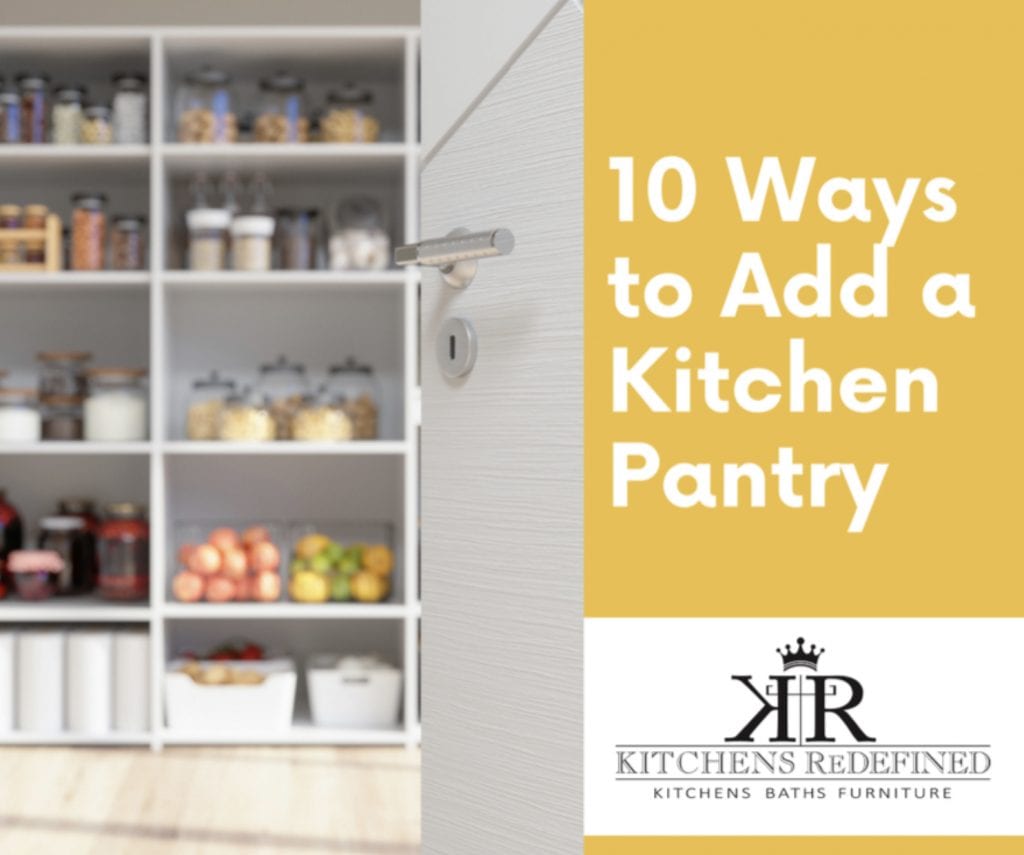
Image Source: www.kitchensredefined.com
Exploring Pantry Options
When you think about adding a pantry, your mind might go straight to a spacious walk-in. While a walk-in pantry offers the most storage, it’s not the only solution. There are many ways to incorporate pantry functionality, catering to different kitchen sizes and budgets. Let’s explore the possibilities.
Cabinet Pantry Solutions
For many kitchens, especially those that are already well-equipped with cabinetry, cabinet pantry solutions are the most practical and easiest to implement. These solutions involve converting existing cabinets or adding new ones specifically for pantry use.
Utilizing Existing Cabinets
You might already have space that can be repurposed. Think about:
- Deep, narrow cabinets: These are ideal for holding tall, slender items like spice jars or canned goods. You can add extra shelving or organizers to make the most of the depth.
- Corner cabinets: Often underutilized, corner cabinets can be transformed with lazy Susans or tiered shelves to become efficient pantries.
- Lower cabinets: These are perfect for heavier items like bags of flour or sugar, or larger appliances.
Adding New Cabinet Pantries
If your current cabinets don’t offer enough pantry potential, consider adding new ones.
- Freestanding pantry cabinets: These are readily available at furniture and home goods stores. They come in various sizes and styles and can be placed against a wall in your kitchen or even in an adjacent dining area.
- Slim pull-out pantries: These narrow cabinets slide out, revealing multiple shelves. They are excellent for tight spaces and can store a surprising amount of food. They are a great way to maximize vertical space without taking up much horizontal room.
Built-in Pantry Shelving
For a more integrated and custom look, built-in pantry shelving is an excellent choice. This approach can transform an unused nook, a dead corner, or even a section of a wall into a dedicated pantry.
Nooks and Alcoves
Many kitchens have small nooks or alcoves that are often overlooked. These spaces are perfect candidates for built-in shelving.
- Measure carefully: Before you start, measure the dimensions of your nook precisely. This will dictate the size and depth of your shelves.
- Consider shelf depth: You don’t always need super deep shelves. For smaller items like spices and cans, shallower shelves are more efficient and prevent items from getting lost in the back.
Wall Integration
Sometimes, a section of an existing wall can be opened up to create a recess for a built-in pantry. This is a more involved project, often part of a larger kitchen renovation pantry plan, but it offers a seamless look.
- Framing: This involves framing out a new wall section, creating a cavity for shelves.
- Finishing: Once framed, you can install shelves made from wood, laminate, or metal. Painting or wallpapering the back of the pantry can add a decorative touch.
DIY Pantry Shelves
For the hands-on homeowner, creating DIY pantry shelves is a rewarding and cost-effective way to add pantry storage.
Simple Shelving Units
- Materials: You can build simple shelving units from lumber (like pine or plywood).
- Tools: Basic tools like a saw, drill, screws, and a level are usually all you need.
- Design: Plan your shelf spacing based on the items you intend to store. Adjustable shelves offer the most flexibility.
Utilizing Existing Walls
You can attach shelves directly to an existing wall.
- Bracket types: Use sturdy brackets that can support the weight of your pantry items.
- Spacing: Space shelves to accommodate different item heights.
Custom Pantry Installation
If you’re looking for a tailored solution that perfectly fits your kitchen’s layout and your storage needs, custom pantry installation is the way to go. This can range from bespoke cabinetry to elaborately designed storage systems.
Professional Design Services
Many companies offer custom kitchen design services. They can help you plan every aspect of your pantry, from the overall layout to the specific types of shelving and accessories.
Bespoke Cabinetry
Custom-built pantry cabinets can be designed to fit any space, no matter how awkward. This might involve:
- Corner units: Maximizing often-wasted corner space.
- Under-stair pantries: If your kitchen is near a staircase.
- Appliance garages: Integrating pantry-style storage for small appliances.
Pull-Out Pantry Drawers and Shelves
One of the most efficient ways to maximize space in a pantry is by using pull-out pantry drawers and shelves. These systems bring items to the front of the cabinet, making them easily accessible.
Benefits of Pull-Outs
- Accessibility: No more reaching to the back of deep shelves. Everything is visible and within easy reach.
- Space Efficiency: They allow you to utilize the full depth of a cabinet without items getting lost or forgotten.
- Organization: Drawers can be divided or customized for specific items, keeping things tidy.
Types of Pull-Outs
- Drawer slides: These are the most common and come in various weight capacities.
- Roll-out shelves: These are essentially shelves on slides, offering a more open storage solution than drawers.
- Lazy Susans: Excellent for corner cabinets, these rotating shelves bring items to the front with a simple spin.
Maximizing Space: Pantry Organization Hacks
Once you’ve added your pantry, the next crucial step is organization. Effective pantry organization hacks can transform even the most compact pantry into a highly functional storage space.
Strategic Shelving and Dividers
The way you arrange your shelves and use dividers makes a significant difference.
- Adjustable Shelving: Allows you to customize shelf height for different items, from short spice jars to tall cereal boxes.
- Shelf Risers: Create extra levels within existing shelves, doubling your storage capacity for cans and smaller items.
- Drawer Dividers: Keep smaller items like spice packets, baking supplies, or snacks sorted and contained.
- Tiered Shelving: Ideal for canned goods, allowing you to see all cans at a glance without them toppling over.
Smart Container Choices
The right containers are key to a tidy pantry.
- Clear, Airtight Containers: Store dry goods like flour, sugar, pasta, and cereal. They keep food fresh, prevent pests, and allow you to see contents easily.
- Baskets and Bins: Group similar items together. Use them for snacks, breakfast items, or bags of produce. Woven baskets add a nice aesthetic touch.
- Stackable Containers: Maximize vertical space within cabinets or on shelves.
- Turntables (Lazy Susans): Perfect for corners or for grouping frequently used items like oils, vinegars, or condiments.
Labeling Everything
Don’t underestimate the power of labels.
- Clear Labels: Label all your containers with the contents and, if applicable, the expiration date. This saves time and prevents confusion.
- Shelf Labels: Label shelves themselves to designate specific zones for different categories of food (e.g., “Baking,” “Breakfast,” “Canned Goods”).
Utilizing Vertical Space
Think upwards!
- Over-the-Door Organizers: Attach to the inside of your pantry door to hold spices, small jars, or cleaning supplies.
- Wall-Mounted Racks: Install racks on the inside walls of your pantry for extra shelving or specific item storage.
- Stacking Bins: Use stackable bins for easy access to items stored in layers.
FIFO (First-In, First-Out) Method
This is a simple yet powerful pantry organization hack.
- Placement: When you buy new groceries, place them behind the older items. This ensures you use older stock first, reducing waste.
- Rotation: Regularly check expiration dates and rotate items as needed.
Choosing the Right Location
Where you add your pantry depends heavily on your kitchen’s layout and the type of pantry you’re creating.
Integrated into Existing Cabinetry
This is the least intrusive option.
- Benefits: Utilizes existing kitchen structure, often more budget-friendly.
- Considerations: Limited by the available cabinet space.
Creating a New Space within the Kitchen
This might involve:
- Resizing a Walk-in Closet: If you have a closet adjacent to the kitchen, it can often be converted into a walk-in pantry. This usually requires minor construction.
- Framing a Niche: A portion of a wall can be framed to create a recessed pantry.
- Utilizing an Awkward Corner: Corners that are difficult to furnish can become efficient pantries with clever design.
Beyond the Kitchen
Sometimes, the best solution is just outside the kitchen door.
- Adjacent Dining Area: A freestanding pantry cabinet or a built-in unit in a nearby dining nook can be very practical.
- Hallway Nook: If a hallway runs close to the kitchen, a small built-in pantry can be surprisingly useful.
Different Kitchen Pantry Design Styles
Your pantry doesn’t just have to be functional; it can also enhance your kitchen’s aesthetic. Kitchen pantry design offers a spectrum of styles to match your home.
The Classic Walk-In Pantry
This is the dream for many, offering ample space for groceries and a comfortable area to organize.
- Features: Shelving on multiple walls, potentially a countertop for staging, good lighting.
- Ideas:
- Aisle Design: Create a central aisle for easy access.
- Tiered Shelving: Maximize vertical space for cans.
- Open Shelving vs. Closed Cabinets: A mix can be ideal for showcasing beautiful jars while keeping less attractive items hidden.
- Pull-out baskets: For potatoes, onions, or root vegetables.
- Lighting: Crucial for visibility. Recessed lights or strip lighting are good options.
The Efficient Butler’s Pantry
Traditionally a serving and storage area between the dining room and kitchen, a modern butler’s pantry can serve as a secondary, highly organized pantry.
- Features: Counter space, sink, cabinetry, often includes a wine fridge or coffee station.
- Design Tips:
- Open Shelving: For attractive dishes and glassware.
- Glass-fronted Cabinets: To display items and maintain a sense of spaciousness.
- Integrated lighting: To highlight displayed items.
The Compact Cabinet Pantry
When space is limited, a well-designed cabinet pantry is a lifesaver.
- Design Considerations:
- Slim Pull-Outs: Excellent for narrow gaps.
- Adjustable Shelves: To accommodate various item sizes.
- Door Organizers: Maximize every inch.
- Color Coordination: Match existing kitchen cabinets for a cohesive look.
The Open-Shelving Pantry
This style offers a modern, accessible feel, but requires meticulous organization.
- Design Tips:
- Matching Containers: Use uniform jars and baskets.
- Color-coding: Arrange items by color for visual appeal.
- Regular Tidying: Essential to keep it looking neat.
- Wall Finish: Consider a contrasting paint color or wallpaper for the back of the shelves.
Planning Your Pantry Project
Before you start hammering or ordering custom units, good planning is essential.
Assessing Your Needs
- What do you store most? Canned goods, dry goods, baking supplies, snacks, appliances?
- How much space do you have? Measure all potential locations accurately.
- What is your budget? This will guide your material and installation choices.
Considering a Kitchen Renovation Pantry
If you’re already planning a broader kitchen renovation pantry additions can be seamlessly integrated.
- Layout Adjustments: This is the ideal time to move walls or reconfigure the kitchen’s footprint to create a dedicated pantry space.
- Budget Allocation: Ensure pantry construction is a planned expense within the overall renovation budget.
- Professional Help: A designer or contractor can offer valuable insights during a renovation.
Tables for Comparison
Here’s a quick comparison to help you decide on the best pantry solution for your needs.
| Pantry Type | Pros | Cons | Best For |
|---|---|---|---|
| Cabinet Pantry | Easy to install, blends with existing cabinetry, good for smaller spaces. | Limited capacity compared to walk-ins. | Apartments, small kitchens, supplemental storage. |
| Built-in Shelving | Maximizes unused spaces, customisable, can look seamless. | Requires some construction, less flexible than freestanding. | Nooks, alcoves, creating a dedicated space. |
| Walk-in Pantry | Maximum storage, comfortable to access and organize. | Requires significant space, higher cost. | Larger kitchens, families needing lots of storage. |
| Pull-Out Systems | Excellent accessibility, space-efficient within cabinets. | Can be costly, requires cabinet modifications. | Deep cabinets, maximizing efficiency. |
| Freestanding Units | Portable, available in many styles and sizes. | Can take up floor space, may not match kitchen style. | renters, quick storage solutions. |
Frequently Asked Questions About Adding a Pantry
Q1: What is the cheapest way to add a pantry?
The cheapest way is often to repurpose existing cabinets or build simple DIY pantry shelves on an available wall. Using inexpensive materials like basic lumber and focusing on smart organization with containers can keep costs low.
Q2: Can I add a pantry to a small kitchen?
Yes, absolutely! For small kitchen pantry storage, consider slim pull-out pantry drawers, vertical shelving units that go high up the wall, over-the-door organizers, and smart use of existing cabinet space with risers and turntables.
Q3: How much does it cost to add a pantry?
Costs vary greatly. DIY shelves might cost under $100. Adding a custom cabinet pantry could range from $500 to $3000+. A full walk-in pantry ideas conversion as part of a kitchen renovation can cost several thousand dollars.
Q4: What are the benefits of a pantry?
The primary benefits are increased storage, better organization, reduced clutter in the main kitchen area, easier meal preparation, and often, reduced food waste through better stock rotation.
Q5: What is the best material for pantry shelves?
Plywood or solid wood shelves are durable and can hold significant weight. Melamine-coated particleboard is a more budget-friendly option that is still quite sturdy. Metal shelving is also very strong and easy to clean.
Adding a pantry is a worthwhile investment for any kitchen. Whether you opt for a grand walk-in pantry or a clever cabinet pantry solution, the increase in organization and functionality will make a significant difference in your daily life. By implementing smart pantry organization hacks and choosing the right kitchen pantry design for your space, you can effectively maximize your storage and create a more efficient, enjoyable kitchen.